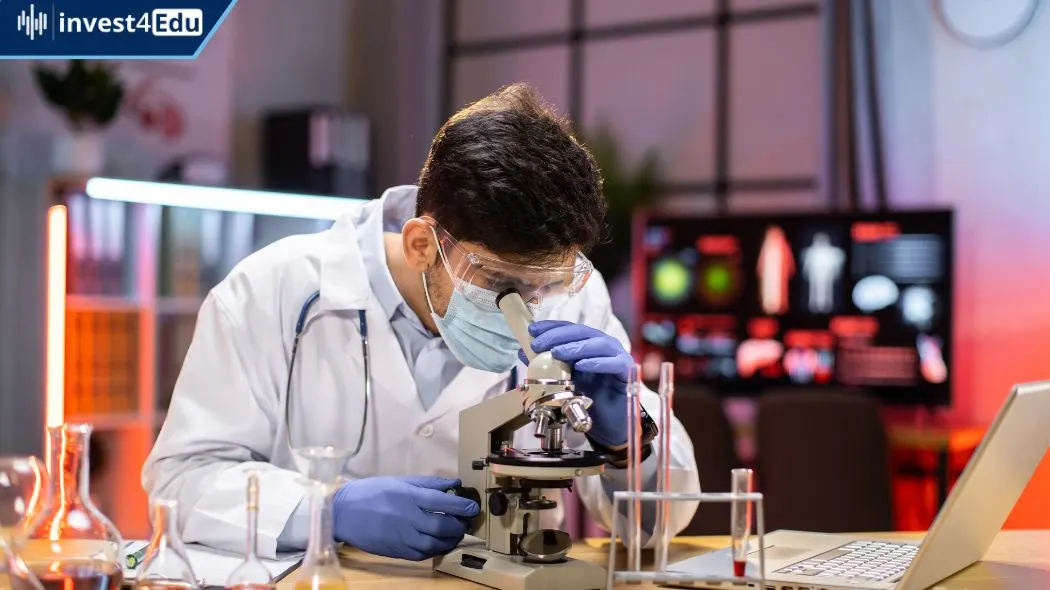
Microbiology, the scientific study of microorganisms—including bacteria, viruses, fungi, and algae—forms the cornerstone of breakthroughs in medicine, agriculture, environmental science, and industry. As the world confronts challenges like pandemics, antibiotic resistance, food security, and pollution, microbiologists step into the spotlight, leveraging microbial insights to protect public health, boost crop yields, innovate in pharmaceuticals, and safeguard the environment.
In this blog, we’ll explore what microbiologists do, the educational path to join them, diverse career opportunities (especially in India), and guidance on pursuing this rewarding vocation.
What is a Microbiologist?
A microbiologist is a scientist who studies microorganisms—tiny, often invisible life forms such as bacteria, viruses, fungi, algae, and protozoa. These professionals explore how microbes live, grow, interact with their environments, and affect humans, animals, plants, and the planet.
Microbiologists play a crucial role in many industries, including healthcare, agriculture, pharmaceuticals, food production, and environmental science. They help us understand infectious diseases, develop vaccines and antibiotics, ensure food and water safety, and contribute to innovations like biofuels and biodegradable materials.
What Do Microbiologists Do?
Here are some of their core responsibilities:
- Identifying and analysing microorganisms using microscopes and lab tests
- Conducting experiments to study how microbes behave, reproduce, or react to different conditions
- Developing new antibiotics, vaccines, and treatments for infectious diseases
- Testing products and materials in industries like pharmaceuticals, cosmetics, and food to ensure safety and quality
- Monitoring environmental samples to track pollution, waste treatment, or the spread of microbes
Microbiology Courses to Pursue After 12th
If you're interested in microorganisms and want to build a career in microbiology, there are several undergraduate courses you can pursue after completing your 12th with a science stream (preferably with Biology). These courses lay the foundation for advanced studies and a wide range of career opportunities in healthcare, research, agriculture, pharmaceuticals, and more.
Undergraduate Options
- B.Sc. in Microbiology (typically 3–4 years): Covers core subjects like bacteriology, virology, immunology, along with lab practicum. Consider specialisations like Applied Microbiology or Industrial Microbiology.
- B.Sc. (Hons) in Microbiology: Offers more in-depth theory and research exposure.
- Related degrees like B.Sc. in Biotechnology or Biological Sciences often include essential microbiology modules.
Postgraduate and Diploma Routes
- M.Sc. in Microbiology: A standard 2-year path deepening your expertise in areas like medical, environmental, industrial, or microbial genetics .
- Postgraduate Diplomas (1–2 years): Shorter, focused programs in industrial, environmental, or clinical microbiology.
- Integrated M.Sc. Programs and Ph.D. in Microbiology offer direct access to advanced research and academic roles.
Eligibility Criteria in India
- For B.Sc.: Minimum 50–60 % in Class 12 with PCB subjects. Some institutes require entrance tests such as CUET or university-specific exams.
- For M.Sc.: B.Sc. degree with ≥ 50 %, often along with qualifying PG entrance exams.
- For Ph.D. / M.Phil.: M.Sc. with relevant specialisation—and frequently, entrance or national-level tests—are mandatory.
Top Colleges Offering Microbiology Programs
- Central Research Institute, Kasauli (M.Sc.)
- Kannur University, Kerala (M.Sc. & Ph.D.)
- Amrita University, Tamil Nadu (B.Sc. & M.Sc.)
How to Become a Microbiologist
Becoming a microbiologist involves a combination of academic qualifications, hands-on lab experience, and continuous professional development. Whether you're aiming for a career in research, healthcare, industry, or education, here’s a step-by-step guide to help you start your journey in microbiology.
1. Pursue the Right Education
Bachelor’s Degree
Start with a BSc in Microbiology, which provides a solid foundation in microbial biology, genetics, immunology, and lab techniques. Alternatively, you can begin with related degrees like Biology, Biotechnology, or Biochemistry.
Master’s Degree (MSc in Microbiology)
For advanced roles, especially in clinical and industrial research, an MSc is highly recommended. It helps you specialise in a specific area such as medical microbiology, environmental microbiology, or industrial microbiology.
Doctorate (PhD in Microbiology)
If you wish to enter academia, lead research projects, or take on specialised scientific roles, a PhD is essential. A doctorate allows you to contribute original research to the field of microbiology.
2. Gain Practical Experience
Internships
Apply for internships in research labs, hospitals, or industrial settings during or after your undergraduate studies. This real-world experience is invaluable.
Research Projects
Engage in academic research projects or assistantships, especially during your postgraduate studies, to build critical lab and analytical skills.
3. Build Your Professional Profile
Specialisations
Choose a specific domain that aligns with your interests, such as:
- Medical Microbiology
- Food Microbiology
- Industrial Microbiology
- Environmental Microbiology
- Agricultural Microbiology
Certifications
Depending on your region and career path, certifications (e.g., from clinical laboratory boards or biotech industry bodies) can add credibility to your profile.
Continuing Education
Stay updated with the latest developments through online courses, workshops, webinars, or professional memberships.
4. Explore Career Paths in Microbiology
After gaining your qualifications and experience, you can explore various roles, including:
- Research Scientist – in universities, biotech firms, or pharma companies
- Clinical Microbiologist – in hospitals or pathology labs
- Industrial Microbiologist – in food processing or fermentation industries
- Environmental Microbiologist – focusing on microbes in water, soil, and air
- Microbiology Lecturer/Professor – in higher education institutions
5. General Tips for Aspiring Microbiologists
- Develop strong skills in biology, chemistry, and mathematics
- Master laboratory tools and techniques (microscopy, culturing, staining, etc.)
- Improve communication skills for writing reports and presenting research
- Network with professionals through seminars, academic conferences, and online platforms
- Stay curious and be open to lifelong learning
Scope and Growth of Microbiology in India
The scope in microbiology is broad and continuously growing, offering diverse career opportunities in healthcare, industry, research, and environmental sciences. As the world relies more on science-driven solutions for public health, food safety, and sustainability, the role of microbiologists becomes increasingly vital.
Microbiological scientists work at the intersection of biology and technology, using their expertise to explore, understand, and manipulate microorganisms for the benefit of society. Here's a closer look at the key areas where microbiologists make a difference:
1. Healthcare and Clinical Diagnostics
In hospitals and laboratories, microbiological scientists identify disease-causing pathogens, assist in infection control, and help develop diagnostic tests and treatment plans. Their role is crucial in tracking disease outbreaks and combating antibiotic resistance.
2. Pharmaceutical and Biotech Industry
Microbiologists are actively involved in the discovery of new drugs, the development of vaccines, and the production of biopharmaceuticals. Their work ensures safe and effective treatments for various medical conditions.
3. Food Safety and Quality Control
In the food and dairy industry, microbiologists monitor hygiene standards, test for contamination, and implement microbial quality control systems to ensure public health and product safety.
4. Environmental Science and Sustainability
Microbiologists study the roles of microorganisms in soil, water, and air. They contribute to pollution control, waste treatment, and environmental conservation by analysing microbial ecosystems and their reactions to climate change.
5. Research and Academia
In universities and research institutions, microbiologists conduct cutting-edge studies on microbial genetics, physiology, and their applications in fields like synthetic biology and biotechnology. Many go on to become academic researchers or professors.
6. Agriculture and Biotechnology
In agriculture, microbiologists help improve soil fertility, combat plant diseases, and develop sustainable bio-fertilisers. They also contribute to advancements in genetic engineering, biofuels, and biodegradable materials.
7. Government and Regulatory Bodies
Microbiologists working with regulatory agencies and public health departments ensure food, pharmaceutical, and environmental safety standards are met. They also participate in policy development and public health research.
Career Opportunities for Microbiology Graduates
A degree in microbiology opens up a broad spectrum of career options across healthcare, research, industry, education, and public service. Whether you're interested in laboratory work, innovation, teaching, or environmental solutions, the field offers multiple professional paths tailored to your interests and expertise.
Key Career Opportunities for Microbiology Graduates:
1. Healthcare and Clinical Roles
- Clinical Microbiologist: Specialises in identifying and analysing microorganisms from clinical samples to diagnose infections.
- Clinical Laboratory Scientist: Performs diagnostic lab tests critical to disease detection and monitoring.
- Biomedical Scientist: Investigates disease mechanisms and contributes to the development of therapies.
- Infectious Disease Specialist: A medical professional diagnosing and treating infections, often collaborating with microbiologists.
2. Research and Development
- Research Scientist: Engages in cutting-edge research on vaccines, antibiotics, and microbial genetics.
- Biotechnology Research Scientist: Focuses on innovations such as genetic engineering, biofuels, and synthetic biology.
- Research Associate: Supports scientific studies in academic, pharmaceutical, or biotech labs.
3. Industry and Manufacturing
- Food Technologist: Ensures the microbial safety and quality of food products.
- Industrial Microbiologist: Works on microbial processes for product development in sectors like pharmaceuticals, fermentation, and bioenergy.
- Quality Control Analyst: Monitors manufacturing processes to ensure microbial safety and compliance with industry regulations.
- Fermentation Scientist: Utilises microbes in fermentation processes to produce items like alcohol, enzymes, and dairy products.
4. Environment and Sustainability
- Environmental Microbiologist: Studies the impact of microbes on ecosystems, pollution control, and sustainability.
- Water Quality Scientist: Assesses water sources for microbial contamination and ensures safety standards.
- Ecologist (Microbial): Examines microbial roles in ecological balance and biodiversity.
5. Education and Academia
- Lecturer or Professor: Teaches microbiology in colleges and universities, often contributing to academic research.
- Research Fellow: Conducts independent or collaborative research within educational institutions.
6. Public Health and Government
- Public Health Microbiologist: Helps prevent outbreaks by monitoring and controlling disease-causing microbes in the population.
- Pharmacologist: Studies drug interactions with microbes and their effectiveness on infectious agents.
- Regulatory Analyst or Inspector: Works with government bodies to enforce microbiological standards in food, pharma, and health sectors.
7. Emerging and Interdisciplinary Roles
- Biotechnologist: Applies biological systems for innovations in medicine, agriculture, and materials.
- Business Analyst (Biotech/Pharma): Combines microbiological knowledge with market insights for product development and strategy.
- Science Communicator or Technical Writer: Shares scientific discoveries with public audiences or through scientific publications.
Is Microbiology a Good Career Choice?
Yes, microbiology is an excellent career choice for students passionate about science, healthcare, and research. As the world faces challenges like pandemics, food security, antibiotic resistance, and environmental pollution, microbiologists are playing a central role in finding sustainable solutions.
From working in hospitals and pharmaceutical labs to contributing to global research on vaccines and climate change, a microbiologist’s work is both meaningful and future-proof.
Whether you’re planning to pursue microbiology courses after 12th or considering a specialised postgraduate degree, this field offers a diverse range of career opportunities, job stability, and long-term growth, especially in a country like India where biotech and healthcare are booming.
With the right skills, education, and curiosity, you can build a rewarding career as a microbiologist—contributing to science, society, and the future of human health.
Is Microbiology Your Future? Here’s Your Next Step
If the invisible world of microbes fascinates you and you're driven to solve real-world problems—whether in healthcare, food, or environmental science—then microbiology could be the perfect career path for you. It’s a field where curiosity meets impact, and every discovery contributes to a healthier, more sustainable future.
Starting this journey doesn’t have to be overwhelming. From selecting the right microbiology course after 12th to planning higher studies or even exploring global opportunities, the choices you make now can define your future.
That’s where invest4Edu comes in. With expert-led education journey support, we help you map out your academic and career path step by step—whether you're studying in India or planning to go abroad. Our guidance covers everything from course selection and career counselling to university applications and funding advice.
Take the guesswork out of your education path—let invest4Edu help you build a successful career in microbiology.