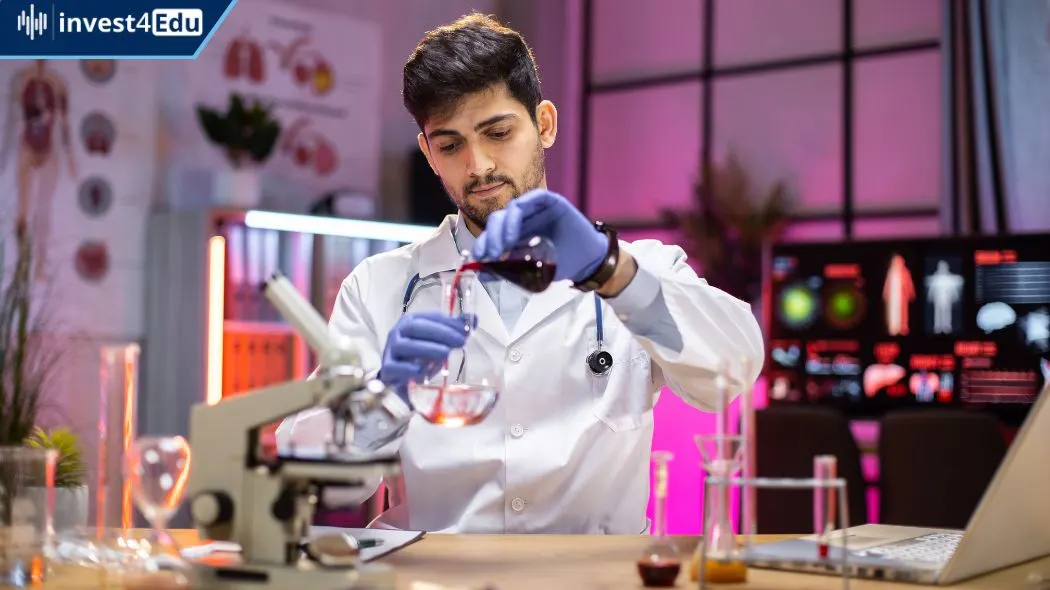
Biotechnology is the science of life reimagined—merging biology with technology to solve real-world problems in medicine, agriculture, food, and the environment. From the creation of bread and cheese over 6,000 years ago to gene editing and biofuels today, biotechnology has evolved into a powerhouse of modern innovation.
In India, biotechnology is one of the fastest-growing sectors. According to the India Brand Equity Foundation (IBEF), the Indian biotechnology industry was valued at $80.12 billion in 2022 and is expected to reach $150 billion by 2025, growing at a CAGR of over 16%. The sector employs more than 300,000 professionals, with over 5,000 biotech companies operating across the country. The government's 'Biotech Startup Policy' and support from Department of Biotechnology (DBT) have further boosted career prospects in this dynamic field.
If you’ve ever wondered how to become a biotechnologist, what does a biotechnologist do, or what qualifications are required, this blog will guide you through everything you need to know. Whether your passion lies in healthcare, farming, or green energy, a career in biotechnology offers rewarding opportunities to contribute to a cleaner, healthier, and more sustainable world.
What Is a Biotechnologist?
A biotechnologist is a scientific professional who applies knowledge of biological systems to develop innovative technologies and products. Their work spans a wide range of industries—from designing life-saving drugs to enhancing crop resilience or reducing industrial waste.
The biotechnologist meaning lies in combining life sciences with cutting-edge tech. These scientists explore genes, cells, and proteins, often using tools like CRISPR, PCR, or bioreactors, to:
- Create new pharmaceuticals or vaccines
- Modify organisms for better agricultural yields
- Develop clean biofuels or biodegradable materials
- Improve food processing and safety
Biotechnologists work in diverse roles such as research and development, manufacturing, quality control, and clinical trials. With India becoming a global biotech hub, professionals in this field are now contributing to everything from pandemic response to food security.
What Does a Biotechnologist Do?
You might be wondering, what does a biotechnologist do or simply, what does a biotech do? The job of a biotechnologist involves applying biological principles and technological tools to solve real-world problems across sectors like healthcare, agriculture, industry, and the environment.
Depending on their specialisation and experience, biotechnologists work in a variety of settings—from laboratories and clean rooms to fields, factories, and corporate R&D centres. Their core tasks may include:
1. Research and Experimentation
Biotechnologists design and conduct experiments to understand how cells, genes, and organisms behave under different conditions. They often:
- Isolate DNA, grow cell cultures, and manipulate genes
- Use high-tech equipment like PCR machines, spectrophotometers, and gene sequencers
- Test new drugs, vaccines, enzymes, or crop traits
2. Drug and Vaccine Development
In the biopharmaceutical sector, they contribute to:
- Developing novel treatments and vaccines using biotechnology
- Studying disease mechanisms and testing therapeutic responses
- Working under strict safety protocols with live bacteria, viruses, and biological samples
3. Agricultural Biotechnology
Biotechnologists help improve food security and sustainability by:
- Genetically modifying crops for better yield, disease resistance, or climate resilience
- Creating bio-fertilizers and natural pesticides
- Enhancing livestock productivity and health
4. Industrial and Environmental Biotechnology
In these fields, they:
- Develop biofuels, biodegradable plastics, and eco-friendly chemicals
- Use microbes for bioremediation—cleaning up oil spills, waste, and pollutants
- Engineer enzymes for food, beverage, or textile processing
5. Medical Research and Diagnostics
Biotechnologists also:
- Discover and validate diagnostic tools and biomarkers
- Work on personalized medicine and gene therapy
- Use CRISPR and other gene-editing tools to understand and treat genetic disorders
6. Bioinformatics and Data Analysis
Modern biotechnologists often handle massive biological datasets. Their work includes:
- Using software to analyse genetic sequences, protein structures, and cell pathways
- Identifying mutations linked to diseases
- Staying updated with the latest trends in computational biology and AI in biotech
7. Production and Quality Assurance
Biotechnologists are crucial in the manufacturing process:
- Producing biotech products like vaccines, insulin, or nutraceuticals
- Ensuring safety, quality, and regulatory compliance
- Running tests and documenting outcomes in controlled environments
8. Specialized Roles
Biotechnologists may also branch into roles such as:
- Pharmacologist – Studying drug interactions
- Geneticist – Mapping and analysing genes
- Stem Cell Scientist – Advancing regenerative medicine
- Food Technologist – Innovating in food preservation and packaging
- Environmental Biotechnologist – Designing green technologies for sustainability
How to Become a Biotechnologist in India
Career in biotechnology is one of the most exciting paths in science today—blending biology and technology to create solutions in healthcare, agriculture, and the environment. Here’s a step-by-step guide that outlines the education, skills, and experience required to enter and grow in the biotechnology field.
1. Build a Strong Educational Foundation
Your journey begins with science in 10+2 (Physics, Chemistry, Biology/Maths). After that:
Bachelor's Degree (Compulsory)
Pursue a bachelor's degree in one of the following:
- B.Sc. Biotechnology
- B.Tech in Biotechnology
- B.Sc. in related fields such as Microbiology, Biochemistry, Genetics, or Chemical Engineering
These degrees typically take 3 to 4 years and provide a solid grounding in biological sciences, lab work, and technology integration.
Master’s or Ph.D. (For Advanced Roles)
To work in research, development, or academia, a postgraduate degree is usually required:
- M.Sc. in Biotechnology or related specialisations (2 years)
- Ph.D. in Biotechnology (3–5 years), essential for high-level research, innovation, or university-level teaching roles
Key Courses to Focus On:
- Molecular Biology
- Genetics
- Cell Biology
- Bioinformatics
- Bioprocess Engineering
2. Gain Practical Skills and Experience
Hands-on experience is critical in biotechnology. Focus on developing the following:
Technical Skills
- Laboratory techniques (cell culture, DNA extraction, PCR, electrophoresis)
- Use of tools like spectrophotometers, gene sequencers, and microscopes
- Knowledge of bioinformatics and statistical software
Analytical and Problem-Solving Skills
- Critical thinking and data analysis are essential in solving real-world biotech challenges.
Communication and Collaboration
- Learn to document findings clearly, write scientific papers, and present research.
- Teamwork is crucial, especially in multidisciplinary projects.
Internships and Research Projects
- Participate in internships, workshops, and student research programs during your degree to gain hands-on experience and boost employability.
3. Invest in Professional Development
Biotechnology is an ever-evolving field. To stay ahead:
- Attend conferences, seminars, and biotech expos
- Pursue certifications in niche areas like CRISPR, synthetic biology, or clinical research
- Take part in online courses on platforms like Coursera, NPTEL, or edX
4. Build a Strong Network and Professional Presence
Networking can open doors to better job opportunities, mentorship, and collaboration.
- Join professional organizations like:
- The Biotech Research Society of India (BRSI)
- Indian Society for Biotechnology
- Association of Biotechnology and Pharmacy (ABAP)
- Stay active on platforms like LinkedIn and attend career fairs or campus recruitment drives
5. Explore Career Paths in Biotechnology
After education and initial experience, you can apply for diverse roles depending on your interests:
With a Bachelor's Degree:
- Laboratory Technician
- Quality Control Analyst
- Clinical Research Assistant
- Biotech Sales/Marketing Executive
With a Master's or Ph.D.:
- Research Scientist
- Biomedical Engineer
- Bioprocess Development Officer
- Genetic Engineer
- Regulatory Affairs Specialist
Emerging Specialisations:
- Industrial Microbiology
- Bioinformatics
- Biopharmaceuticals
- Environmental Biotechnology
- Stem Cell Research
Career in Biotechnology: Roles, Industries & Scope
A biotechnology career opens doors to diverse industries like pharmaceuticals, healthcare, agriculture, and environmental science. From research labs to bio-manufacturing, the field offers exciting roles focused on innovation and real-world impact.
Top Career Roles:
- Biotechnologist: Develop new products and technologies.
- Clinical Research Associate: Manage and monitor clinical trials.
- Quality Control Analyst: Ensure product quality and safety.
- Bio-manufacturing Specialist: Oversee production of biotech goods.
- Bioinformatics Analyst: Analyse biological data using software.
- Environmental Biotechnologist: Solve environmental issues using biotech.
- Regulatory Affairs Specialist: Ensure compliance with biotech laws.
Key Industries:
- Pharmaceuticals & Healthcare: Drug development, diagnostics, research.
- Agriculture: GM crops, sustainable farming.
- Environmental Tech: Waste management, pollution control.
- Bio-manufacturing: Enzymes, vaccines, biofuels.
- Academia & R&D: Government labs, universities, private firms.
Emerging Trends:
- Gene Editing (CRISPR)
- Synthetic Biology
- AI in Drug Discovery
- Microfibrils for Diagnostics
Skills Required to Succeed as a Biotechnologist
To thrive in the bio technology field, aspiring biotechnologists should develop:
- Analytical and problem-solving skills
- Attention to detail
- Strong lab techniques
- Knowledge of bioinformatics and data analysis
- Communication and teamwork skills
How invest4Edu Supports Your Biotechnologist Journey?
invest4Edu offers end-to-end guidance to help you achieve your goal of becoming a biotechnologist. From discovering the right career path to planning your education and securing the right opportunities, our education journey programme supports you at every step.
- Career Clarity
Understand what a biotechnologist does and whether it suits your interests and strengths. Our expert counselling sessions and psychometric tests help you make informed career decisions. - Personalised Education Plan
Get a customised roadmap based on your academic background and goals. We help you identify the right subjects, degrees, and timelines needed to pursue a biotechnology career. - Course and University Selection
Receive guidance on selecting the best biotechnology-related courses such as BSc or MSc in Biotechnology, Microbiology, or Biochemistry. We also help you choose universities in India or abroad that match your aspirations. - Education Loan Assistance
Finance your education with ease. invest4Edu helps you compare lenders, understand loan terms, and complete the required documentation to secure the best loan options. - Study Abroad Support
If you plan to study biotechnology abroad, we assist with everything from university applications and Statement of Purpose writing to visa support and admission planning for countries like the UK, USA, or Australia. - Skill Development and Career Support
Stay on track with regular updates on biotech internships, research projects, and certifications. We also offer mentoring and guidance to help you build a strong professional profile in the biotechnology field.
invest4Edu is your trusted partner in turning your biotechnology career dreams into reality through expert planning, financial guidance, and continuous support.
Curious About Your Future in Biotechnology? Let’s Make It Happen Together!
Your dream of becoming a biotechnologist doesn’t have to be confusing or overwhelming. With invest4Edu by your side, every step becomes clearer and more achievable. From helping you choose the right course and university to guiding you through internships, education loans, and future career paths — we make sure your education journey is aligned with your goals.
Whether you’re just exploring biotechnology or ready to take the plunge, invest4Edu’s expert support system is designed to help you grow with confidence.
Ready to unlock your future? Let’s start your biotechnology journey, together!
Final Thoughts
A career in biotechnology is intellectually rewarding and impactful. Whether you aim to become a biotechnology scientist, research diseases, or create greener technologies, this field offers vast potential. By understanding the biotechnologist meaning, acquiring a biotechnologist degree, and knowing how to become biotechnologist, you're already on the right path.
So, if you're curious about what does a biotechnologist do, and you're excited by the intersection of science and innovation, biotechnology might just be your calling.