A student visa is a crucial requirement for anyone planning to study abroad. It serves as legal permission for international students to enter and stay in a foreign country for educational purposes. Navigating the student visa process can seem daunting, but with the right information and support, it becomes much more manageable. This guide aims to provide a comprehensive overview of the student visa process, including types, requirements, timelines, costs, and tips to ensure a successful application.
What Is a Student Visa?
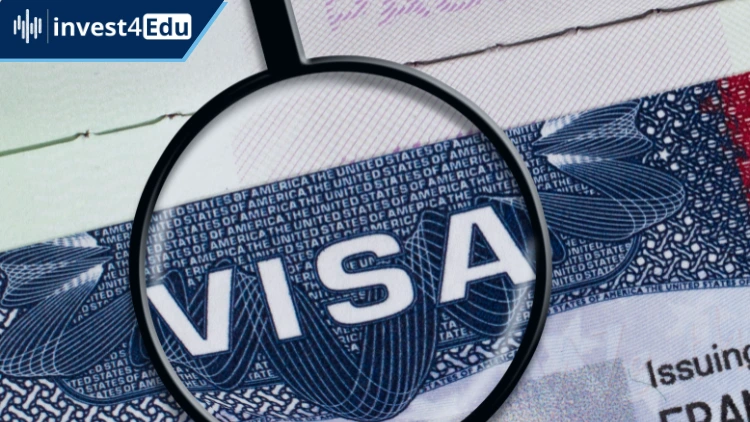
A student visa is a government-issued document that grants non-citizens the authorization to reside in a country temporarily for educational purposes. It is typically tied to enrollment in an accredited institution and comes with specific conditions, such as work limits and mandatory insurance. Each country has its own set of student visa categories, requirements, and procedures.
When to Get a Student Visa to Study Abroad?
Timing is critical when applying for a student visa. It’s advisable to start the process immediately after receiving your acceptance letter from a university or college. This ensures you have ample time to gather required documents, complete the application, and attend interviews. Applying early helps mitigate delays caused by high application volumes or unforeseen circumstances.
Types of Student Visas
When planning to study abroad, understanding the types of student visas is crucial. The type of visa you need depends on the country you are applying to and the nature of your course. Below are the main types of student visas categorized by popular study destinations:
1. United States
- F-1 Visa: For academic students pursuing a degree or studying English in the U.S.
- M-1 Visa: For vocational or technical training programs.
- J-1 Visa: For exchange visitors, including students in exchange programs.
2. United Kingdom
- Tier 4 (General) Student Visa: For students aged 16 and above enrolled in degree-level courses.
- Short-Term Study Visa: For short courses or English language programs lasting 6–11 months.
3. Canada
- Study Permit: Issued to international students enrolled in designated learning institutions (DLIs).
- Co-op Work Permit: Allows students to work as part of their academic program, like internships or co-op placements.
4. Australia
- Subclass 500 Visa: For students of all levels (primary, secondary, higher education, or vocational).
- Student Guardian Visa (Subclass 590): For guardians of international students under 18 years of age.
Each visa type has unique eligibility criteria, including proof of financial stability and language proficiency.
When Is the Best Time to Apply for a Visa?
The ideal time to apply for a student visa is 3–6 months before your intended travel date. This ensures enough time for application processing and any additional steps like interviews, medical checks, or document verification. Applying early reduces stress and allows you to focus on other aspects of your study abroad journey, such as travel arrangements and accommodation.
How Long Does It Take to Get a Student Visa?
Processing times for student visas vary significantly depending on the country, the complexity of your application, and the time of year. Below is an estimate of processing times for popular study destinations:
- USA: 3–8 weeks after completing the visa interview.
- UK: 3 weeks from the date of application submission.
- Canada: 4–6 weeks, with faster processing through SDS for eligible applicants.
- Australia: 4–12 weeks, depending on the volume of applications.
During peak seasons, these times may extend, so it’s important to plan accordingly.
What Are the Documents Required to Start the Visa Application Process?
A well-prepared application is key to a smooth visa approval process. Commonly required documents include:
- A Valid Passport: Ensure your passport is valid for at least six months beyond your intended stay.
- Proof of Admission: An official acceptance letter from the educational institution.
- Financial Proof: Bank statements, sponsorship letters, or education loan approval documents to demonstrate your ability to cover tuition and living expenses.
- Academic Records: Transcripts, certificates, or diplomas from your previous educational institutions.
- Language Proficiency Scores: Test scores such as IELTS, TOEFL, or PTE, as required by the destination country.
- Health Insurance: Proof of medical coverage, if mandated by the country.
- Visa Application Fee Receipt: Evidence of payment for the visa processing fee.
- Passport-Sized Photographs: Meeting the specific requirements of the country’s visa guidelines.
Visa Application Process for Various Countries
Securing a student visa involves several general steps, regardless of the country you plan to study in. Below is an outline of the general process, followed by country-specific details:
General Visa Application Process
- Receive an Admission Offer: Secure admission to a recognized institution and obtain an official letter of acceptance.
- Check Visa Requirements: Research the student visa requirements for your destination country, including documents, fees, and eligibility criteria.
- Prepare Documents: Gather all necessary documents, such as a valid passport, admission letter, financial proof, language proficiency test scores, and photographs.
- Complete the Application Form: Fill out the appropriate visa application form, either online or in print, as required by the country.
- Pay the Visa Fee: Submit the visa processing fee and retain the receipt for future reference.
- Schedule an Appointment: Book an appointment for biometrics submission, interviews, or additional assessments if required.
- Attend an Interview (if applicable): Participate in a visa interview, where you may need to explain your study plans and financial stability.
- Wait for Processing: Monitor your application status and wait for the visa approval decision.
United States of America(USA)
To study in the USA, students typically apply for an F-1 Visa. The process begins with registering in the SEVIS (Student and Exchange Visitor Information System) and obtaining an I-20 form from the institution where you have been admitted. Next, you must pay the SEVIS fee to activate your record. After that, complete the DS-160 online application form, which is a standard requirement for all non-immigrant visas. Once the application is submitted, schedule an appointment for a visa interview at your nearest US Embassy or Consulate. The interview plays a crucial role in determining visa approval, so ensure you prepare thoroughly.
Canada
The student visa in Canada is referred to as a Study Permit. The application can be submitted online or through a Visa Application Center (VAC). The process involves submitting biometrics, which include fingerprints and a photograph, along with other required documents like proof of acceptance, financial support, and a valid passport. Canada also offers the Student Direct Stream (SDS) for faster processing if you meet specific criteria, such as high language proficiency and upfront payment of tuition fees. This streamlined process can significantly reduce waiting times for eligible students.
United Kingdom(UK)
For studying in the UK, students must apply for a Tier 4 (General) Student Visa. The application is completed online, and applicants must provide evidence of sufficient funds to support themselves during their stay, along with proof of English language proficiency. After submitting the application, students need to book an appointment to submit their biometrics, including fingerprints and a photograph. This step is necessary for obtaining a Biometric Residence Permit (BRP), which is issued upon arrival in the UK and serves as proof of visa status.
Australia
In Australia, international students apply for a Subclass 500 Student Visa. The process begins with creating an account on the ImmiAccount portal, where you can complete and submit the application form. Applicants must provide various documents, including health and character certificates, to meet the visa requirements. Additionally, Australia has a Genuine Temporary Entrant (GTE) requirement, which involves demonstrating that your primary intent is to study and that you will return to your home country after completing your education in Australia. Meeting this requirement is critical for visa approval.
By understanding the general and specific processes and requirements for each country, students can prepare effectively and increase their chances of securing a student visa.
Requirements for Student Visa
General requirements for a student visa include:
- Sufficient funds to cover tuition and living expenses.
- Confirmation of enrollment in a recognized institution.
- Clean criminal record, supported by a police clearance certificate.
- Compliance with health and character standards as per the host country’s laws.
How Much Does the Visa Application Process Cost?
The cost of the visa application varies based on the destination country and the type of visa. Below is a summary of standard fees:
- USA: $160 for an F-1 Visa, plus SEVIS fee ($350).
- UK: £348 for a Tier 4 student visa.
- Canada: CAD 150, plus biometrics fee (CAD 85).
- Australia: AUD 620, with additional charges for health insurance and biometrics.
Additional expenses may include translation of documents, travel costs for biometrics, and other administrative fees.
Tips to Avoid Student Visa Rejection
- Double-check that all required documents are complete and accurate.
- Demonstrate strong financial capacity with clear evidence.
- Showcase genuine intent to study through well-prepared interviews and statements.
- Avoid inconsistencies between your application and supporting documents.
- Familiarize yourself with specific guidelines for the country of application.
How Invest4Edu Helps You in Your Study Abroad Journey?
invest4Edu is your trusted partner in making your study abroad aspirations a reality. Here’s how we can assist:
- Expert Guidance: Our team provides step-by-step assistance with visa documentation and applications.
- Financial Support: We connect you with the best education loan providers to ensure financial readiness.
- Customized Solutions: Personalized advice tailored to your academic goals and preferred destinations.
- Post-Arrival Assistance: From accommodation arrangements to career counseling, we’re here to support you at every stage.
Visit Invest4Edu to learn more about our services.
Conclusion
Obtaining a student visa is a vital step in the journey of studying abroad, and while the process may seem complex, proper preparation and guidance can make it seamless. By understanding the requirements, timelines, and country-specific procedures, students can approach their applications with confidence. Additionally, working with a reliable partner like invest4Edu can provide the expertise and resources needed to overcome challenges and ensure a successful outcome. From visa support to financial solutions, invest4Edu is committed to helping students achieve their educational dreams. Take the first step towards your global academic adventure with the right information and a trusted partner by your side.