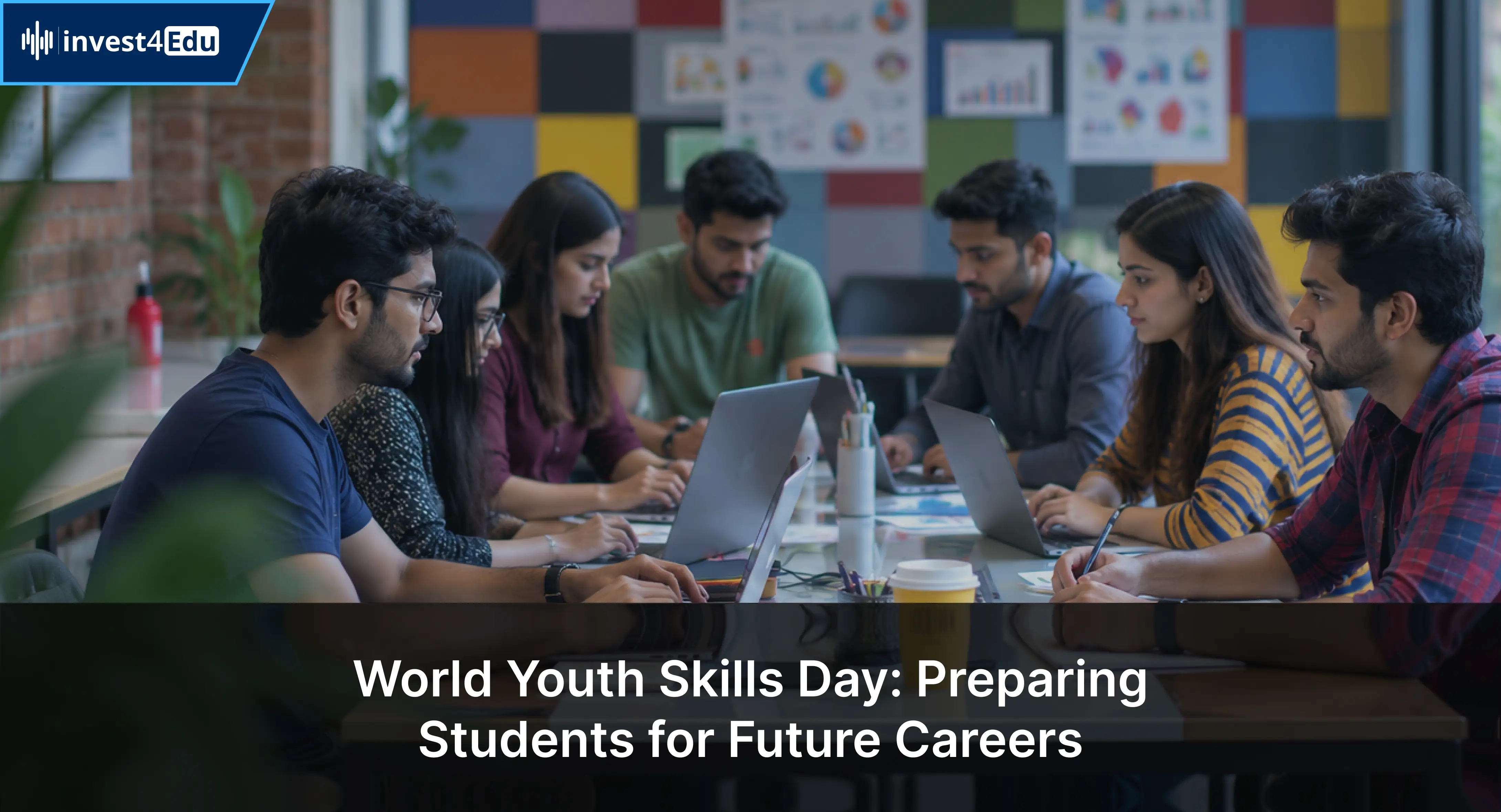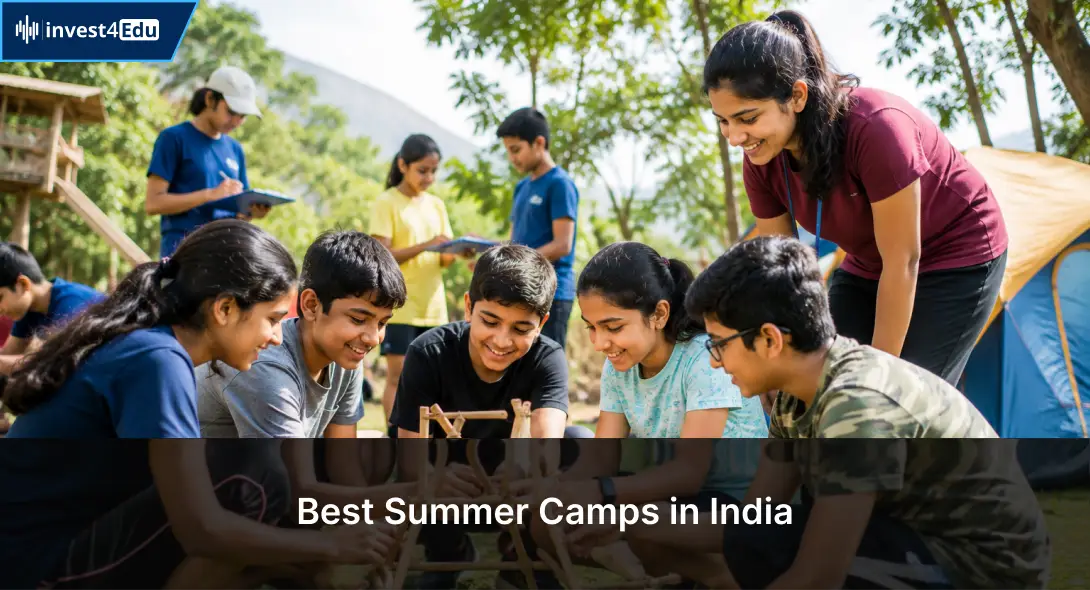
In today's fast-paced and ever-evolving educational landscape, students must equip themselves with a diverse set of skills to maximize their learning potential. Skills for education are no longer just about memorising facts and figures; they encompass a wide range of competencies that facilitate effective learning and personal growth. In this blog, we’ll explore the top 20 skills for students that can transform their educational journey. Additionally, we’ll discuss why these skills are crucial for success and how Invest4Edu’s skill-building program can support students in their development.
Top 20 Student Skills for Effective Learning
In a competitive academic environment, mastering certain skills can significantly enhance a student's ability to learn and thrive. Here are the top 20 skills for students that are essential for effective learning, along with their importance and examples illustrating their relevance.
1. Critical Thinking
Critical thinking is a vital skill that enables students to analyse information and make reasoned decisions. In an age inundated with information from various sources, the ability to evaluate arguments and discern credible data is crucial. For example, when tasked with a research project, students may encounter conflicting information from different sources. Those with strong critical thinking skills can assess the reliability of each source, determining which information to trust and incorporate into their work. This capability not only aids in academic performance but also prepares students to approach real-world issues with a logical and analytical mindset.
2. Time Management
Effective time management is essential for students to prioritise tasks and meet deadlines while reducing stress. It involves planning and organizing one's schedule to balance academic responsibilities with extracurricular activities and personal time. For instance, a student who creates a weekly planner can allocate specific times for studying, attending classes, and engaging in hobbies. This organized approach helps them avoid last-minute cramming before exams and fosters a more balanced lifestyle, ultimately leading to improved productivity and satisfaction in their educational experience.
3. Communication Skills
Strong verbal and written communication skills are fundamental for students as they navigate group projects, class discussions, and presentations. Effective communication enables students to articulate their ideas clearly, ensuring that their messages are understood by peers and instructors alike. For example, during a group presentation, a student who communicates effectively can lead the discussion, inviting input from others while ensuring that key points are conveyed. This skill not only enhances academic performance but also builds confidence in expressing oneself, which is vital in professional settings.
4. Adaptability
In an ever-changing world, adaptability is a critical skill that empowers students to navigate challenges and embrace new opportunities. The ability to adjust to different learning environments and methodologies is essential, especially as education increasingly incorporates technology and diverse teaching styles. For example, when a class transitions from in-person to online learning, adaptable students can modify their study habits, utilising digital resources and tools to maintain their academic performance. This flexibility not only helps them succeed in school but also prepares them for a dynamic workforce where change is constant.
5. Collaboration
Collaboration is a key skill that fosters teamwork and enhances learning through shared experiences and diverse perspectives. In today’s interconnected world, the ability to work effectively with others is essential for academic success and future employment. For instance, in a science lab, a student who collaborates well can share insights and ideas with teammates, leading to innovative experiments and successful outcomes. Collaborative skills also cultivate a sense of community among students, making the learning process more enjoyable and enriching.
6. Problem-Solving
Problem-solving is a crucial skill that involves identifying challenges, evaluating options, and implementing solutions effectively. This skill is invaluable not just academically but also in everyday life. For example, when faced with a complex maths problem, a student with strong problem-solving abilities can break it down into smaller, manageable parts, facilitating a clearer path to the solution. Developing this skill equips students to tackle academic challenges head-on and prepares them to navigate real-world situations with confidence.
7. Research Skills
Research skills are essential for academic success, as they empower students to find, evaluate, and utilize information from various sources effectively. In an era where misinformation is rampant, knowing how to conduct thorough research is vital. For instance, when writing a research paper, a student skilled in research can identify credible academic journals and reputable online sources, strengthening their arguments with well-founded evidence. This ability not only enhances the quality of their work but also fosters a deeper understanding of subjects.
8. Emotional Intelligence
Emotional intelligence, or the ability to understand and manage one’s emotions while empathising with others, is crucial for fostering positive relationships in an academic environment. Students with high emotional intelligence can navigate social dynamics effectively, which is essential for collaboration and conflict resolution. For example, a student who recognises when a peer is struggling can offer support, fostering a sense of camaraderie and encouraging a positive classroom atmosphere. This skill contributes to emotional well-being and enhances teamwork, which is vital in both academic and future workplace settings.
9. Creativity
Creativity is the ability to think outside the box and approach problems with innovative solutions. Encouraging creative thinking in students allows them to explore diverse perspectives and develop unique ideas. For example, when assigned a project, a creative student may propose an engaging multimedia presentation, capturing their audience's attention and making complex information more relatable. This skill not only enriches the learning experience but also prepares students for a world that increasingly values innovation and originality.
10. Self-Motivation
Self-motivation is a driving force that keeps students focused on their educational goals. Cultivating intrinsic motivation helps students take the initiative, seek out learning opportunities, and persist despite challenges. For instance, a self-motivated student might explore additional resources such as online courses or extracurricular workshops to deepen their understanding of a subject. This proactive approach not only leads to academic success but also instils a lifelong love of learning.
11. Goal Setting
Setting realistic and achievable goals provides direction and purpose in a student’s academic journey. By establishing clear objectives, students can monitor their progress and stay motivated. For example, a student who sets specific goals for improving their grades can develop actionable steps, such as dedicating additional study time or seeking tutoring. This structured approach not only enhances accountability but also fosters a sense of accomplishment as students achieve their milestones.
12. Digital Literacy
In today’s digital age, proficiency in using technology and digital tools is essential for educational success. Digital literacy encompasses the ability to navigate online resources, utilize educational software, and communicate effectively through digital platforms. For instance, a digitally literate student can efficiently research information online, collaborate on projects using cloud-based tools, and present their findings through engaging presentations. Mastering this skill enhances learning and prepares students for a tech-driven workforce.
13. Self-Reflection
Self-reflection is the practice of evaluating one’s learning experiences, strengths, weaknesses, and areas for improvement. Regularly engaging in self-reflection helps students develop a growth mindset, encouraging them to learn from their experiences and strive for continuous improvement. For example, after completing a project, a student who reflects on their process can identify what strategies worked well and what could be improved, allowing them to apply those insights to future endeavours.
14. Resilience
Building resilience enables students to bounce back from setbacks and maintain a positive attitude towards challenges. Resilient students can face academic pressures with confidence and perseverance. For example, a student who receives a disappointing grade on an exam can view it as an opportunity to reassess their study methods and seek help rather than becoming discouraged. This ability to adapt and overcome obstacles is vital for long-term success in both education and life.
15. Networking
Networking involves building relationships with peers, mentors, and professionals, which can open doors to new opportunities and support. Developing networking skills allows students to forge valuable connections that can benefit their academic and career aspirations. For instance, a student who attends industry conferences and engages with professionals can gain insights into their field of interest, potentially leading to internships or job opportunities in the future. Networking enhances not only academic success but also career readiness.
16. Study Techniques
Understanding effective study techniques is crucial for enhancing retention and comprehension of material. Techniques such as active learning, spaced repetition, and mind mapping can significantly improve a student’s ability to grasp complex concepts. For example, a student who employs active learning strategies, such as teaching the material to a peer, can reinforce their understanding and retain information more effectively. Mastering diverse study methods equips students to excel academically and develop lifelong learning habits.
17. Cultural Awareness
Cultural awareness is the ability to recognize and respect diverse cultures, fostering inclusivity and enriching the learning experience. Students who cultivate cultural awareness can navigate multicultural environments with sensitivity and understanding. For example, a student who participates in discussions about global issues can engage positively with classmates from different backgrounds, broadening their perspective and enhancing classroom discussions. This skill is essential in today’s interconnected world, where diversity is increasingly valued.
18. Financial Literacy
Basic financial skills are essential for students to manage their finances and make informed decisions in the future. Financial literacy encompasses understanding budgeting, saving, and responsible spending. For instance, a student who learns how to create a budget can effectively manage their expenses from a part-time job, ensuring they have funds for both essentials and leisure activities. Acquiring this skill equips students for financial independence and responsible adulthood.
19. Public Speaking
Public speaking is a valuable skill that benefits students academically and professionally. Confidence in presenting ideas in front of an audience enhances communication abilities and empowers students to share their thoughts effectively. For example, a student who practices public speaking can confidently deliver presentations in class, engaging their audience and demonstrating mastery of the subject. This skill is crucial for academic success and is highly regarded in the professional world.
20. Mindfulness
Practising mindfulness helps students focus, reduce stress, and improve overall well-being. Mindfulness techniques, such as meditation and deep breathing, encourage students to be present in their learning experiences, enhancing concentration and retention of information. For instance, a student who incorporates mindfulness practices into their routine may find it easier to manage anxiety during exams, leading to better performance. Cultivating mindfulness not only supports academic success but also contributes to mental and emotional health.
Why Skills are Important for Students ?
In today’s rapidly changing educational landscape, the importance of skills cannot be overstated. Developing essential skills not only fosters academic success but also prepares students for a future where adaptability and collaboration are key.
-
Foundation for Success: Developing these skills is crucial for laying the groundwork for both academic success and personal growth.
-
Preparation for Real-World Challenges: Skills like critical thinking and collaboration prepare students for the complexities of the real world, where innovative solutions and teamwork are often necessary.
-
Employer Expectations: As the job market evolves, employers increasingly prioritise skills over traditional qualifications, making these competencies invaluable.
-
Holistic Development: Students equipped with essential skills not only excel academically but also thrive in their future careers, enhancing their overall life experience.
Invest4Edu Skill Building Program
At Invest4Edu, we recognize the importance of skills development for students. Our skill-building program is designed to help students cultivate the necessary competencies for effective learning and personal growth. Through workshops, mentorship, and practical experiences, we empower students to develop essential skills that enhance their educational journey. By participating in our program, students will gain valuable insights and practical tools to excel in their studies and future careers.
Conclusion
Acquiring a diverse set of student skills is vital for effective learning and personal development. The top 20 skills for students outlined in this blog can significantly impact academic performance and prepare them for success in their future endeavours. By prioritising skills development and participating in programs like Invest4Edu’s, students can equip themselves with the tools necessary to navigate the complexities of education and the workforce.